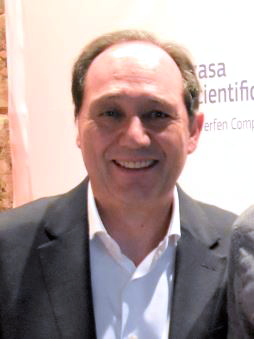
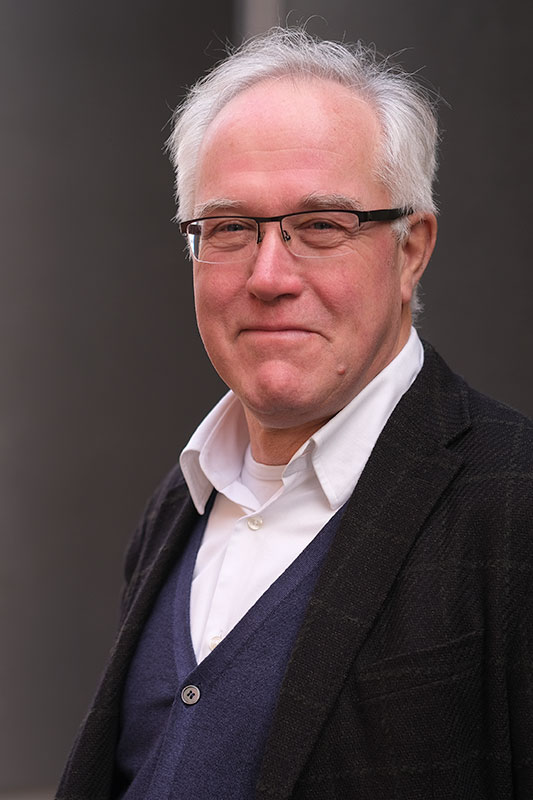
Meet our new Chief Commercial Officer (CCO) Robert Endert

Meet our new Chief Commercial Officer (CCO) Robert Endert

Robert Endert DENSsolutions

In order to continue the growth of our company and further advance the field of in-situ TEM, it is important that we keep investing in our commercial activities. The current worldwide situation encourages us to find innovative online ways to build and strengthen relationships with our customers and distributors. For this we were looking for a Chief Commercial Officer (CCO) who could take our company to the next level.

With Robert Endert we have found the right man for the job. Next to being a great team player, he has a lot of experience in Electron Microscopy (EM), marketing and sales. Robert will focus on growing our business and further improving our relationships with customers and distributors. We asked him to introduce himself and provide some background information.

My name is Robert Endert (Dutch, 57 years old) and I am happy to inform you that I recently started working for DENSsolutions.
I graduated from Delft University of Technology in the research group Electron Optics. After this I joined Philips Electron Optics as an application specialist. Here I was involved in training and demonstration activities for customers from all over the world. Since developing user-interfaces was also part of my job I quickly realized that the user-friendliness of scientific equipment is a key factor for success.
In my next job I led the sales & service department for Philips Electron Optics in the Netherlands and Belgium; here I learned that customers are not just looking for topnotch specifications but also for adequate service and support.
In the years to follow I had a number of sales and general management functions in companies selling capital equipment and turnkey projects where sales cycles are long and funding processes are challenging.
Earlier this year I was contacted by the CEO of DENSsolutions, who I knew from my first job at Philips. He told me about the fast growing nano-science world and the important contribution of in-situ TEM to its progress. It didn’t take long before I got enthusiastic and agreed to join his team as CCO.
The world is facing many challenges that can only be solved by the contribution of scientists working on electron microscopic level. DENSsolutions is committed to support these activities with state-of-the-art in-situ MEMS technology.
I am a strong believer in teamwork and open and transparent communication to build long lasting relationships. Fortunately this has become a lot easier with modern communication means, opening up great possibilities to do online webinars and demonstrations.
That’s why I am really looking forward to being part of the DENSSolutions team and the exciting world of nano-science!

Thank you for reading, if you would like to know more about Robert, don’t hesitate to contact him:

Email Robert

Do you want to receive great articles like this in your mailbox? Subscribe to our newsletter.

Stream LPEM system wins the Microscopy Today 2020 Innovation award

Stream LPEM system wins the Microscopy Today 2020 Innovation award

A conversation with our CTO Dr. Hugo Pérez-Garza who has been leading the development of the award winning system.

DENSsolutions is one of this year’s winners of the Microscopy Today Innovation Award. At the 2020 Microscopy & Microanalysis Virtual Meeting, DENSsolutions Stream LPEM system has been recognized as one of the ten most innovative products of the year.

We interviewed CTO Dr. Hugo Pérez- Garza to learn exactly how the Stream system convinced the jury of its high degree of innovation that makes new scientific investigations possible. Below you will find a transcript of the video interview.

Congratulations on winning the award. Can you tell us how you felt when you first heard the news?

It was great to hear that we were selected as the innovation of the year. This is something that confirms not only the level of innovation that the team has been bringing up, but it also helps us to confirm our leading position in the market. So it’s been really great.

Who were the people you first shared the news with?

As you can imagine, the first people that I shared this with were the R&D team members. As soon as I heard about this innovation award, I immediately called for a meeting so that I could tell everyone about it. None of this would have been possible without the ongoing effort of everyone within the R&D team. So they were the ones who deserved to know first. And of course, to me, it’s been a privilege to have the chance to lead what I consider as a world class R&D team.

Can you tell us about the innovative aspects that made it earn the reward?

Yes, this is all thanks to the different components that make up the Stream system. We’ve got the nano cell, the holder, our pressure based pump and of course the hardware that allows us to introduce the stimuli.

The nano-cell has a patented design that allows us to have on-chip inlet and outlet so that we can have a well-defined microfluidic path. We have the holder that has a modular design so that you can disassemble the tip at any point, do some thorough washing, you can put the tip in a sonicator, and because you can remove the tip, you can also replace the inner tubing at any point so that you can prevent cross contamination or clogging. And then we have the pump that, as opposed to current solutions that are out there which rely on a syringe pump that only pushes the liquid via the speed of the stepper motor, in our case, we can control the actual pressure of the liquid. So because we can combine this with our current nano-cell, by independently controlling pressure at the inlet and outlet, we can control the absolute pressure inside of the fluidic channel and therefore enjoy a very well-defined, pressure driven flow. And then we have the heating control unit and the potentiostat that allows us to introduce either the heating or biasing capabilities.

Why did you guys develop this system to start with?

Before the Stream system, we used to work with the so-called Ocean system, which is the predecessor of the Stream. Back in those days, we started realizing, together with our customers, that one of the most important things to address was to prevent relying on diffusion as a way of getting the liquid into the region of interest where the window and the sample is located. So after discussing a lot with experts and people in the community, we realized that it was important to make sure that we wouldn’t be bypassing the chips in the so-called bathtub design, which is the same design that not only our predecessor system used to have, but also other systems out there are still relying on. So making sure that you can prevent the bypass of the chips, making sure that you can therefore control the mass transport was something that ultimately gives you the benefit of controlling the kinetics of your experiment at any point.

What are the main benefits of the system?

Because we can control not only the pressure and the flow, there’s a lot of things that basically start from that point onwards, which are the fact that since you can control the liquid thickness, you can control, for example, the possibility of avoiding the beam broadening effects that the electron beam typically suffers from when you are working in liquid. If you can achieve that, then that means that you can start providing meaningful electron diffraction capabilities, meaningful EELS capabilities. You can do elemental mapping in liquid. And the fact that we still preserve that flow and pressure control at any point allows you also to start getting other very important benefits, such as the capability to mitigate away unwanted bubbles. You can even dissolve the bubbles at any point, or you can flush away beam induced species.

So when you put it all together, it really results in a very strong system that addresses the main issues that the community has been facing. The modular design of the Stream holder allows for flexibility as it prevents cross contamination or clogging when changing experiments. The system allows you to have a reproducible flow through your region of interest at any point. And you can manipulate the sample environment to your own convenience as you are able to control all the parameters that are around it.

Who contributed to the development of this system?

You can imagine that the Stream system was the result of a multidisciplinary work. We had to call in our main expertises in-house. We see MEMS development as our core competence. But MEMS is something that is very complex, that involves different areas. So we have people with a lot of expertise on the mechanical engineering area, on the electrical engineering area, material sciences, physics, chemistry and biology. But of course, the system, as I mentioned before, is not only the MEMS, but also the holder, the pump. So there’s a lot of mechatronics development in there. You can imagine that, of course, there’s a lot of microfluidics fluid dynamics.

So overall, it was a highly multidisciplinary work that, together with the expertise and the advice that we got from our customers, allowed us to put it all into one strong system that is now being able to address many of the issues that they all had.

Are customers already working with the system?

Yeah, absolutely. Ever since the launching of the system, by now, we have a very good amount of systems that are installed in the field where people are working in all sorts of application. Like material sciences, life sciences and energy storage. And we see that this system has been able to take over the work that they attempted to do for many years before. But due to the limitations that their previous systems had, they were never able to achieve. Now, with the Stream system we see and we hear directly from the customers that they’re finally able to start speeding up with the research and the results that they always wanted to get. So it’s a great feeling for us to know that the value is really there.

Who are the people that will benefit most from this system?

Of course, the Stream system finds its applications in a wide variety of opportunities. On one side, people in material sciences, people interested in, for example, nucleation work, in chemical production processes where it is very important not only to control the kinetics, but also to control the temperature. That’s where the Stream system finds one of its core values. On life sciences of course, people who are interested in working with either fuel cell analysis or biomolecule analysis where it is very important to try to mimic as much as possible physiological conditions like 37 degrees of body temperature. Controlling the environment and keeping these samples in its native liquid environment. That, of course, opens up a lot of opportunities for people in these kind of fields. And people who are doing research on energy storage, for example, people trying to develop the next generation of batteries where it is really important to understand how the battery works. What are the best conditions to prevent, for example, dendrite growth that might lead to short circuit. People working on fuel cells, people working on corrosion. There’s really a wide variety of electrochemical applications where the Stream also brings some big added value.

Can you tell us something about what future developments lie ahead?

Despite the fact that our current Stream system is already addressing most of the important issues that the LPEM community wants to avoid, we still remain very self-critical on our own developments and we keep analyzing what the main areas of opportunities for our system still are. And by now, we have already identified additional steps that we can take further. So we’re working very hard on new developments that I think are going to be really exciting. So stay tuned, because in the upcoming months, we can expect some very nice announcements on future developments that are coming.

Thank you for reading, to learn more about our Stream system please follow the links below.

Download the brochure:

Read an article:

See a customer publication:

Request a demo:

Do you want to receive great articles like this in your mailbox? Subscribe to our newsletter.

In-situ imaging provides detailed insights on the dynamics of SMSI induced overlayer formation on catalyst particles

In-situ imaging provides detailed insights on the dynamics of SMSI induced overlayer formation on catalyst particles

Enabled by DENSsolutions Climate system in correlation with other TEM characterization techniques

Original article by Arik Beck, Xing Huang, Luca Artiglia, Maxim Zabilskiy, Xing Wang, Przemyslaw Rzepka, Dennis Palagin, Marc-Georg Willinger & Jeroen A. van Bokhoven.

Noble metal nanoparticles stabilized on oxide supports are an important class of catalysts that are used in many applications such as fuel cells, exhaust gas treatment and energy conversion. It is well known that an interaction occurs between the nanoparticles and their oxide support which affects the catalytic activity called ‘strong metal-support interaction’ (SMSI). SMSI is a surface phenomena in which the migration of partially reduced oxide species, from the oxide support, covers the nanoparticle and thereby alters the chemisorption and catalytic properties. It can give rise to desired synergistic effects and increased selectivity. Now, using in situ TEM combined with other analytical techniques and theoretical modelling, researchers at ETH Zurich have been able to create a real time view of the SMSI phenomena.

Controlling the sample environment

Reductive pre-treatment of catalysts by heating, resulting in SMSI, has been known to alter the selectivity of oxide supported nanoparticles since the late 1970’s. However, the exact influence of the different parameters like temperature and gas concentration were still unknown. But now, thanks to the DENSsolutions Climate G+ system, researchers are able to determine the immediate effect of these parameters in increasing detail. The Climate G+ system provides a nano-reactor, containing the catalyst sample, that can be placed in any TEM* and gives the researcher unprecedented control over the sample environment in terms of temperature and gas parameters.

The in situ TEM experiments performed for this research required multiple switching between hydrogen and oxygen environments at 600 °C. This made the Climate G+ system, that is used on the JEM-ARM 300F at ETH Zurich, ideal for this research.

Evolution and dynamic structural changes of the overlayer in SMSI. A platinum particle on a titania support in the first exposure to H2 at 600 °C (a,b) and the subsequent atmosphere change to O2 at 600 °C (c), a switch to H2 (d) and then a switch to O2 again (e), and interpretation of the phenomena based on the combined results of in situ transmission electron microscopy, in situ X-ray  photoemission spectroscopy, and in situ powder X-ray diffraction (f–j). Insets for c–e show a magnified image of the overlayer structure observed. Scale bar is 5 nm.

Correlative techniques

In situ TEM, using gas and heating, is a powerful characterization technique to obtain atomistic, real time, information about the SMSI phenomena. To derive a holistic view of SMSI and the role of hydrogen and oxygen within this process. The in situ TEM results have been combined with ambient pressure XPS and in situ powder XRD experimental results. Finally, theoretical density functional theory (DFT) modelling was used to support the conclusions about how SMSI actually works.

Original article:

More about Climate:


Do you want to receive great articles like this in your mailbox? Subscribe to our newsletter.

New article about the Stream Liquid Heating system

New article about the Stream Liquid Heating system

Published in Journal of Materials Chemistry C

Original article by J. Tijn van Omme, Hanglong Wu, Hongyu Sun, Anne France Beker, Mathilde Lemang, Ronald G. Spruit, Sai P. Maddala, Alexander Rakowski, Heiner Friedrich, Joseph P. Patterson and H. Hugo Pérez Garza.
We are proud to announce a new publication in the Journal of Materials Chemistry C, in which we collaborated with our customers to observe the temperature dependent etching behavior of silica particles inside the TEM. The paper discusses the design of the Stream system and how it allows to control the solution conditions inside the Nano-Cell. For this experiment, we were particularly interested in the comparison between in situ LPEM data and ex situ data from more traditional methods.

According to the reviewers

“In this manuscript, the authors provided a new design of MEMS based liquid flow system with a unique on-chip microfluidic channel and a microheater, which enables the quick replenishment of fresh solution and uniform heating of the liquid solution.”

Connecting in situ to ex situ

One of the most fundamental challenges that any microscopist experiences is the question whether the phenomenon you observe inside the microscope is representative of what happens outside. You can see interesting things happening inside the microscope, but if there is no link to the outside world, the knowledge is not so useful.

To solve this challenge, we design our products so that the user has full control of all the relevant parameters during the in situ experiment. In the Stream system, this relates to controlling the solution conditions. Especially temperature and concentration. The sample should experience the same conditions inside and outside the TEM. To achieve this, the Stream system has a flow channel that enables rapid replenishment of the solution to ensure continuous supply of fresh reactant species. Meanwhile, the microheater accurately controls the temperature.

Temperature control

Temperature is a highly important variable to control. For this reason, all our product lines include the possibility to manipulate temperature. In liquid, the speed of chemical reactions is often dictated by the temperature. Moreover, completely different reaction pathways can be found at different temperatures. During an in situ experiment, the increase in temperature can be used to trigger a phenomenon. Many people rely on the electron beam to induce the dynamics. However, it’s normally desirable to decouple the stimulus from the imaging. In other words, the beam is used for imaging, while the MEMS device supplies the heat to start a reaction.
We chose to design the MEMS device to generate a uniform temperature throughout the Nano-Cell. In other words, no temperature gradients are present that could lead to complications. This also allows to accurately measure and control the temperature of the liquid and the sample.

Temperature dependent etching kinetics of silica nanoparticles in-flask vs. in situ LPTEM, showing good similarity between both situations. Time = reaction time.

Silica nanoparticle experiment

To validate the effect of the combined flow channel and microheater, we looked at the etching process of silica nanoparticles in NaOH. This process is quite sensitive to temperature; increasing the temperature substantially accelerates the reaction kinetics. In-flask, the etching time in NaOH with pH 13.8 is reduced from ~500 to ~10 minutes when increasing the temperature from 20 to 60 °C. This was found by measuring the transmittance of the solution. The TEM allows us to observe this process in real time, at the nanoscale. In the Stream, we aimed to reproduce the reaction conditions from the in-flask experiment. In the flask, the bulk liquid acts as a large reservoir of available reactant species, while in the Nano-Cell, the space is much more confined. A constant flow was used to refresh the solution to make sure that the silica particles are etched by fresh reactants continuously.
We found very good similarity between the results obtained in-flask and in situ. In the Nano-Cell, the etching time reduced from 360 to 4 minutes for the same temperature increase from 20 to 60 °C. So in both cases, the same order of magnitude increase in etching rate is observed, indicating that the Nano-Cell meticulously mimics the situation outside the microscope. This was the most important finding from the paper. The e-beam seems to slightly accelerate the etching process, but the low dose imaging procedure ensured that the effect of the e-beam was reduced to a minimum.

“The most exciting part of the Stream holder is that the control it offers over temperature and flow means that we have access to a completely new phase space to observe dynamic processes, this will undoubtedly result in the discovery of new nanoscale phenomena and lead to innovations in materials synthesis.”
Dr. Joseph P. Patterson
Department of Chemistry and the department of Materials Science and Engineering,
University of California, Irvine, USA

Collaboration with customers

DENSsolutions actively participates in the scientific community. We work closely together with our customers to make sure that our products help them to generate impact. This study is a good example where our expertise in the design and engineering of the in situ system was combined with the expertise at TU Eindhoven and UC Irvine.

In Eindhoven they were already very experienced working with the silica nanoparticle samples and with the ex situ etching behavior at different temperatures. So when the MEMS devices for Stream Liquid Heating were launched, they proposed to run this experiment inside the microscope. We anticipated that one of the key parameters to control during the experiment would be the e-beam, as it could interfere with the etching process. Fortunately the groups at Eindhoven and Irvine have a thorough background in imaging soft matter, so we managed to adhere to a low dose imaging protocol to successfully minimize the beam effect.

Original article:

More about Stream:
Do you want to receive great articles like this in your mailbox? Subscribe to our newsletter.

Learn all about our latest Impulse release

A conversation with our Product Architect (UX) Merijn Pen.

DENSsolutions introduces the new Impulse 1.0 software. This new Impulse allows you to take complete control of your in situ TEM experiments, performed with our Wildfire, Lightning and Climate systems. We interviewed our Product Architect (UX) Merijn Pen who led the development of this new release to get all the ins and outs. 

Why was this new version of Impulse developed?

As the DENSsolutions In Situ portfolio grows, so does the number of stimuli that our users can simultaneously introduce to their sample. Each additional stimulus brings its own set of parameters that need to be controlled and monitored, which used to make running In Situ experiments increasingly complicated.
To run an experiment with our Climate system for example, the user needs to control the sample temperature and several gas condition parameters with high accuracy while simultaneously performing measurements such as calorimetry and mass spectrometry. To be able to perform such an experiment, intuitive software is needed to reduce the complexity of operation while at the same time offering full control for every individual parameter.
In order to draw meaningful conclusions, our users want to understand the influence of an individual parameter change on the process that they study. Isolating the influence of a single parameter change is only possible if you are able to reproduce the exact same experiment multiple times, meeting all the stimuli setpoints over and over again. The active involvement of the user in the operation of the stimuli can cause problems as it introduces uncontrolled variables that can lead to variation between experiments. Impulse was developed to eliminate these issues by introducing experiment automation.

What are the main benefits of this new version?

Our previous release, Impulse 0.5, already made it possible for users to perform heating and biasing experiments from a single easy-to-use interface. With this update, we have added the Gas Supply Systems and Gas Analyzer so that Climate users also benefit from complete system integration in Impulse.

The Profile Builder environment, where users can design their experiments for automation, has been upgraded with Smart Automation. This new feature guarantees reproducible experimental conditions, even for complex systems with interdependent parameters such as the Gas Supply System. Now, a single operator can perform and reproduce experiments with ease and trust the results. The possibility to automate the complete range of stimuli from one experiment profile also enables users to optimize their experimental conditions on a bench setup which saves valuable time at the TEM.

Another important feature in Impulse is the flexible dashboard that can adapt to any type of experiment and offers a complete overview in a single glance. The user can add, remove, rearrange and resize graphs to create the perfect overview. With this dashboard, users are able to quickly detect changes and draw conclusions from the data.

And lastly, the Impulse 1.0 software produces synchronized data that can easily be imported into Gatan Microscopy Suite and TVIPS software. This enables the user to quickly correlate their in situ data with the TEM images and makes it easier to create images that can be used in publications.

Who are the people that will benefit from it?

Impulse is compatible with all Wildfire, Lightning and Climate systems, so all existing users can benefit from this new release. As well as any new customer, as Impulse will be shipped with any new system sold after the 1st of June.
Some of our Wildfire and Lightning customers are already familiar with the previous release, Impulse 0.5. For those customers, the free upgrade to Impulse 1.0 brings numerous incremental improvements that were developed based on the feedback that some early users have shared with us.
Climate users will notice significant benefits from this new release. These users can now control and automate complete heating, gas and gas analyzer experiments with Impulse. Plus, there are some new features that are tailored for gas and heating experiments, such as Real-time Calorimetry and Smart Automation.

What kind of challenges were tackled during development?

One of the biggest challenges during development was improving the ease-of-use without sacrificing functionality. On the one hand, we strive to make the experiment workflow as simple as possible, on the other hand we want to offer maximum flexibility for controlling the sample conditions.
With Impulse 1.0 we have managed to combine the complete range of controls and parameters into one easy to use interface, without compromising on functionality and flexibility.

Did we cooperate with customers on this development?

Of course! Customers are at the heart of our designs so we have involved customers throughout the conceptualization, development and testing phases of Impulse. This gave us a lot of insight and, in the end, resulted in a better product.

We will continue to listen to our customers while we expand the capabilities of the Impulse platform in future developments. For this reason we have set up an online service desk at support.denssolutions.com where I invite all customers to share their feature ideas and feedback to help define the future of In Situ TEM.

What is the compatibility of Impulse 1.0?

Impulse 1.0 software is compatible with the DENSsolutions Wildfire, Lightning and Climate systems. Impulse connects to the DENSsolutions Heating Control Unit (HCU), Keithley 2450 source measuring unit (SMU), the DENSsolutions Gas Supply Systems and DENSsolutions Gas Analyzer.

Which future developments lie ahead?

The next big step will be to turn Impulse into an open platform. We will develop an open API to enable collaborations with other brands, integrations into more software platforms and advanced experiment controls through scripting.

Read more:

Try Impulse yourself:

Do you want to receive great articles like this in your mailbox? Subscribe to our newsletter.

Operando TEM using Climate G+ to study Metal catalyst behavior during reaction

Operando TEM using Climate G+ to study Metal catalyst behavior during reaction

Original article by See Wee Chee, Juan Manuel Arce-Ramos, Wenqing Li, Alexander Genest & Utkur Mirsaidov. Published in Nature Communications volume 11, Article number: 2133 (2020) .

The catalytic performance of noble metal nanoparticles (NPs) is decided by their surface structure. Hence, understanding the structural dynamics of nanoparticles during catalysis is necessary for the design of improved catalysts that can lead to significant reductions in energy consumption for industrial catalytic processes. Using the DENSsolutions Climate system, scientists from National University of Singapore (NUS) showed that they were able to capture structural changes in Palladium (Pd) NPs during CO oxidation under realistic operating environments and correlate those changes with the NPs’ catalytic activity.

The Pd NPs showed an inactive faceted structure at low temperatures which changed to an active more rounded structure at higher temperatures. This change in NP structure and activity reverses when the temperature is reduced. The reversibility of NP structural transformations has important implications for our understanding of active catalyst structures and reinforces the need for direct operando observations.

This movie was recorded during a temperature ramp from 300 to 500 °C at a rate of 2 °C/s. It clearly shows the change in the NP shape, where the flat facets and sharp corners became more rounded, which occurred concurrently with the change in catalytic activity.

Climate system

For this research, the Climate G+ system was used in combination with the DENSsolutions Gas Analyzer. The system enabled the researchers to attribute the changes in catalytic activity to the observed structural changes, which was further confirmed by thermodynamic calculations. Matching the high-resolution image sequences with outlet gas composition changes helped the authors to understand how the NP structure can influence the availability of active sites on a NP’s surface.

This research exemplifies how the different data streams from the Climate G+ (calorimetry), the Gas Analyzer (partial pressure) and the TEM detector (HR-TEM image) can be correlated into meaningful results: 

TEM detector

HR-TEM images show that the shape of the Pd NP’s in the Nano-Reactor changes from clearly faceted at 400°C to a more rounded shape at 600°C. The Pd NP’s become faceted again after the temperature was dropped to 400°C. The authors were also able to show the correlation between the morphology of the Pd NPs and their activity towards CO oxidation as function of temperature.

Calorimetry

The temperature and microcalorimetry data from the sensitive 4-point probe heater provided additional details. During the temperature ramp from 400°C to 600°C, a spike was seen at 500°C, indicating an exothermic reaction. This exothermic reaction can be interpreted as ignition of the oxidation reaction. After the spike, the Climate system measured a slight drop in heater power which further supported this conclusion. The authors were also able to match this temperature spike with the moment when the structural transitions occurred in the videos during the temperature ramps. Allowing them to correlate the onset of the reaction with the NP structure.

Gas analyzer

This onset of reaction at 500°C was further reflected as a change in gas composition, where the CO:O2 ratio in the gas flow (which was set at 1.6 by the Gas Supply System) clearly dropped and the production of CO2 concurrently increased. After a ramp-down back to 400°C the pressure ratios in the gas flow from the Nano-Reactor were restored back to their original levels, indicating de-activation.
“Our observations imply that the active structure of Pd nanoparticles is not retained outside of active catalytic conversion conditions, which will be important for interpreting results from similar studies of catalysts.
The inline mass spectrometry (Gas Analyzer) was critical for establishing the correlation between nanoparticle and catalyst activity. The low thermal drifts allow us to follow the nanoparticles during heating and cooling ramps.”
Dr. See Wee Chee
Department of Physics and Department of Biological Sciences.
National University of Singapore

Learn more about our Climate system:


Discover more publications made possible by our Climate system:


Read the original article:

Do you want to receive great articles like this in your mailbox? Subscribe to our newsletter.

Izasa Scientific and DENSsolutions announce new partnership

Izasa Scientific and DENSsolutions announce new partnership

DENSsolutions is proud to partner with Izasa Scientific to serve the Spanish and Portugese market. We have been active in Spain for a number of years and in those years we started to build a good relationship with the expert and passionate team of Izasa Scientific. Now we have recently officially signed our partnership, which we are sure will benefit the TEM community in Spain and Portugal. Offering them cutting-edge In Situ technology with the best possible local support.

“During conversations and cooperation with DENSsolutions on specific projects in Spain, we became convinced about the perfect alignment between our companies. The technology offered by DENSsolutions fits perfectly with our product portfolio linked to Electron Microscopy. Now, we can offer our clients a complete on-site solution by introducing the DENSsolutions systems that complement the most advanced Electron Microscopes and direct acquisition cameras on the market.
We are convinced that the association between our companies will end in a clear benefit for the scientific community by facilitating access to the most complete solution for “in-situ” Electron Microscopy on the market. We believe that DENSsolutions is without a doubt the best partner in this field.
This good alignment, even before formalizing this agreement, which we are pleased to announce, has led to joint efforts, such as the recent webinar, which attracted considerable interest from the scientific community, and which we invite you to watch on the Izasa Scientific website.”
Carlos Arribas, General Manager at Izasa Scientific
“In the last 5 years, DENSsolutions has had the opportunity to deliver in situ heating and biasing solutions to some of the leading TEM laboratories in Spain. We also saw more and more requests for quotations for our Climate and Stream systems so we decided to start looking for a distributor in Spain and Portugal. We already had some contact with Izasa Scientific in a few projects and we got very impressed with their installed base and more importantly with the commitment of the employees of Isaza towards their customers. The core values of DENSsolutions are: “we care”, “we innovate” and “we deliver” and this is exactly what we found with the people in Izasa.
So I fully agree with Carlos Arribas, the General Manager of Isaza Scientific, when he states that there is good alignment between the two companies. It was clearly shown indeed during our joint recent webinar.
DENSsolutions will keep pushing the technology envelope for total in situ solutions based on our state of the art Nano-Chip, Nano-Reactor and Nano-Cell MEMS based sample carriers.
In order to support our customers in every part of the world, we believe that a true partnership with our distributors is extremely important and after careful consideration we decided that this true partnership for Spain and Portugal can be realized with Isaza Scientific in the most beneficial way for our customers.
Isaza Scientific brings a lot of value for DENSsolutions as they have a very extensive installed base in Spain and Portugal. But more importantly the people in Isaza Scientific really have the knowledge and drive to understand our customers’ needs.
Last but not least: with the completion of the distribution agreement with Isaza Scientific we now “cover” the whole of Europe.”
Ben Bormans, CEO -DENSsolutions

Do you want to receive great articles like this in your mailbox? Subscribe to our newsletter.

In Situ helps to understand the recovery of deactivated palladium catalyst

In Situ helps to understand the recovery of deactivated palladium catalyst

In Situ images reveal that nanoparticles can be transformed into more active atomic species at high temperatures

Original article by Huang Zhou, Yafei Zhao, Jie Xu, Haoran Sun, Zhijun Li, Wei Liu, Tongwei Yuan, Wei Liu, Xiaoqian Wang, Weng-Chon Cheong, Zhiyuan Wang, Xin Wang, Chao Zhao, Yancai Yao, Wenyu Wang, Fangyao Zhou, Min Chen, Benjin Jin, Rongbo Sun, Jing Liu, Xun Hong, Tao Yao, Shiqiang Wei, Jun Luo & Yuen Wu. Published in Nature Communications volume 11.

Supported metal catalysts have important applications in many industrial processes like the production of chemicals, pharmaceuticals and clean fuels, and the purification of vehicle emissions. At elevated temperatures the small catalyst particles tend to form bigger particles due to a process called sintering, which decreases their active surface areas and diminishes the catalytic activity. Replacing the deactivated metal nanoparticles is a costly process. Therefore researchers are looking for ways to improve the sustainability of these catalysts. In this study, scientists from multiple Chinese institutes, including DENSsolutions customer Tianjin University of Technology, further researched a method to recover or regenerate the activity of sintered and deactivated catalysts.

Figure 1a. Clusters of Pd nanoparticles, as seen in the upper left picture, are thermally diffused in N-doped carbon layers at 900 °C under Ar atmosphere – images taken from a video. Scale bar, 5 nm.

Figure 1b. Detailed view of Pd single atoms in the N-doped carbon layers after the in situ observation in Figure 1a.

Findings

In this in situ experiment the researchers discovered that supported palladium/gold/platinum nanoparticles distributed at the interface of oxide supports and nitrogen-doped carbon shells would undergo an unexpected nitrogen-doped carbon atomization process against the sintering at high temperatures, during which the nanoparticles can be transformed into more active atomic species.

In Situ TEM study

In order to study the thermal diffusion of the Pd nanoparticles within N-doped carbon layers, a sample environment with an inert gas like Argon needs to be created. The big advantage of the Climate system is that it can create this sample environment inside a normal TEM without the need of an ETEM. Furthermore, the high stability of the Climate Nano-Reactor allowed the researchers to record the N-doped carbon atomization process with sufficient detail in order to get valuable insights.

Figure 2. Representative in-situ TEM images of Pd NPs/TiO2@PDA-Pd NPs/TiO2@C. (a-h) Different temperatures, (i-l) different times at 900 °C. Scale bar, 20 nm.

“Thanks to the wonderful gas cell system from DENSsolutions, we can directly observe and record the sintering process of metal catalysts from 100 to 900 °C under 1 bar Ar by transmission electron microscopy (TEM).
We also succeeded in tracking the N-doped carbon atomization process and the evolution of metal nanoparticles into metal single atoms. During these processes, the response of this gas cell system was very fast and perfectly stable.”

Prof. Jun Luo
Professor at the Center for Electron Microscopy, Tianjin University of Technology.

Learn more about our Climate system:


Discover more publications made possible by our Climate system:


Read the original article:

Do you want to receive great articles like this in your mailbox? Subscribe to our newsletter.

Improved FIB lamella preparation

Improved FIB lamella preparation

A conversation with our Product Manager Dr. Yevheniy (Gin) Pivak on the new FIB stub 3.0

DENSsolutions introduces the 3rd generation of the FIB stub which enables researchers to prepare a lamella and place it directly on the Nano-Chip, all inside the FIB. In this version, many improvements were made to make the FIB sample preparation easier, safer and quicker. The development of this new stub was headed by our Product Manager Dr. Yevheniy (Gin) Pivak in close collaboration with key partners like AEM, TU Darmstadt and EMAT, Antwerp.

Why was this new FIB stub designed?

Any TEM experiment starts with a good sample either it’s a nanoparticle, a FIB lamella, 2D material or a nanowire. The FIB sample is the most complicated among others, especially when it comes to preparing lamellas onto MEMS-based Nano-Chips.
Several years back, when the users’ knowledge on FIB lamella preparation onto MEMS-based Nano-Chips was still very limited and the field itself was premature, DENSsolutions developed the first version of a FIB stub which had two inclined sides of 45 degrees on which the sample and Nano-Chip could be positioned. This stub simplified the sample preparation process by allowing the user to prepare and transfer a lamella onto the Nano-Chip in one go without breaking the vacuum of the FIB chamber, thus saving operation time. Since then version 2.0 was released, which kept the main design features like the two inclined sides but improved the sample and Nano-Chip positioning and clamping.
In the meantime, hundreds of lamellas were successfully prepared and placed onto Nano-Chips but many users still encounter challenges during the process. First of all, the issues come from an uncommon geometry that the users need to work with; the lamella preparation and the lift out need to be done at 45 and 55 stage tilt angles. On top of that, the users suffer from poor imaging, especially at low accelerating voltage and a charging effect. The positioning of the Nano-Chip and the clamping mechanism, that is also there for grounding purposes is not optimal, making the operation not very user-friendly. Because the height of the sample and the Nano-Chip on the FIB stub can differ quite a bit, there also is a safety concern.
In recent years more and more people are interested in in-situ TEM Biasing and Biasing & Heating experiments. The majority of those samples are FIB lamellas and the requirements towards the samples for electrical measurements are much stricter compared to heating experiments with various pitfalls along the way. A new approach aiming to avoid short circuiting and reiteration of biasing and biasing & heating lamellas is required.

What are the benefits of this new FIB stub?

The new FIB stub solves a number of limitations of the previous versions.

At first, the new 3.0 stub incorporates an additional flat side for placing the samples that ensures a conventional geometry and the very same and the well-known process used by any FIB operator when making and lifting out the lamella.

The revised geometry improves the quality of imaging even during the low kV milling and polishing steps. Additionally, the charging effect is reduced due to a more effective grounding of the Nano-Chips’ contact pads.

A dedicated pocket and a smart clamping mechanism is introduced which drastically simplifies and speeds up the Nano-Chip loading and unloading, making it very user-friendly. It reduces the risk of breaking the membrane when handling the Nano-Chips and there is also no need to use sticky tapes to fix or to ground the Nano-Chip, which in turn makes the process a lot cleaner.

The design of the FIB stub brings the position of the sample and the Nano-Chip to a similar eucentric height, minimizing the possibility of crashing into the pole piece, the Gas Injection System or the manipulator during the operation.

What is the compatibility of the new FIB stub?

The new FIB stub is compatible with Thermo Fisher/FEI and JEOL dual beams. It’s suitable for various models like Strata DB235 (Thermo Fisher/FEI), Helios NanoLab 600 / 650 / G4 CX (Thermo Fisher/FEI), JIB 4600F (JEOL) and many more.
It’s also suitable for any Thermo Fisher (FEI) and JEOL double tilt Heating and/or Biasing Nano-Chips.

Who are the people that will benefit from it?

Any existing customers who own a double tilt Wildfire TF(FEI)/JEOL (Wildfire D6, Wildfire H+ DT), a Lightning HB TF(FEI)/JEOL (Lightning D6+) or a Lightning HB+ TF(FEI)/JEOL (Lighting D7+, Lightning D9+) system and works with FIB lamellas will definitely benefit from the new FIB stub.
New customers of Wildfire and Lightning systems planning to work with in situ heating samples or electronic devices like non-volatile memory based on resistive switching or phase change materials, solid state batteries, solar cells, etc will enjoy the sample preparation using the 3.0 stub

What kind of challenges were tackled during development?

As in many developments, the main goal is to create a really good product that can be used by most of the users. However, because there are many dual beams from different manufacturers out there with their own stage and column design, various manipulators, workflows, details, etc. that also can vary from site to site it is quite challenging to make one generic product that is suitable for everybody. It’s not possible to fulfil everyone’s needs, but we spent a lot of time trying to get the new FIB stub as versatile as possible.
In any case, product development is a dynamic process. As long as researchers find bottlenecks in their pursuit to get the right research results, we will focus our efforts to provide them with the right solution.

Did we cooperate with customers on this development?

Any product is meant to solve customers issues and limitations or create new opportunities. We make products for our customers and not for ourselves and there is no way to make a good product without customers involvement.
Following our strategy, we involved a number of our close collaborators during the development and testing of the new FIB stub project, namely EMAT (University of Antwerp) and AEM (University of Darmstadt). Additionally, more customers from Germany, UK, Singapore, Spain, Sweden, etc. were involved in the initial discussion phase to identify the current issues and limitations with the FIB lamella preparation.

Which future developments lie ahead?

In the near future, the intention is to verify the compatibility of the FIB stub 3.0 in Zeiss, Tescan and Hitachi dual beams.
If you are a proud owner of one of above-mentioned FIBs and you would be interested to test the new stub, please contact us.
On a longer term, we are working to further improve the electrical quality of lamellas and devices prepared on biasing and heating and biasing Nano-Chips. This next development is planned to be present at the EMC 2020 conference in Copenhagen. So, stay tuned!

5 reasons to get the new FIB stub:

Receive a quotation:

Do you want to receive great articles like this in your mailbox? Subscribe to our newsletter.

First Visualisation of Crystal Growth from Organic Molecules

First Visualisation of Crystal Growth from Organic Molecules

Scientists characterise how flufenamic acid, a COX inhibitor, which is used in multiple industries, forms crystals from a liquid solution

Original article by Jennifer Cookman, Victoria Hamilton, Louise S. Price, Simon R. Hall and Ursel Bangert. Published in Nanoscale, issue 7, 2020.

The earliest stages of crystal growth are key to determining the final structure of a crystal, and scientists have visualised this process for the first time. Organic molecules were formed and grown in a liquid environment and characterised using the DENSsolutions Ocean In Situ system for Liquid Phase Electron Microscopy (LPEM).

Experimental Firsts

“Using LCEM (liquid cell electron microscopy) it has been possible for the first time to capture early-stage nucleation events of organic molecular crystals used as APIs (active pharmaceutical ingredients),” said Dr Jennifer Cookman from the Bernal Institute at the University of Limerick and lead researcher for this study.

“The importance of this method is that we can begin to understand how one crystal structure forms over another and, even more importantly, how these early-stage nucleation events manifest. We can also compare/contrast with classical nucleation theory and other crystal growth theories.”

The molecule studied, flufenamic acid, is a COX-inhibitor that acts as an anti-inflammatory. With increased study of this molecule, which is used in the pharmaceutical industry, researchers can potentially fine-tune its action as a medicinal drug and reduce its side-effects.

What’s more, the molecular crystalline state is widely used across many industries; including electronics and agrochemicals. This research represents the first steps to analysing molecular crystal growth of not just flufenamic acid, but other molecules with implications for improvements in other industries.

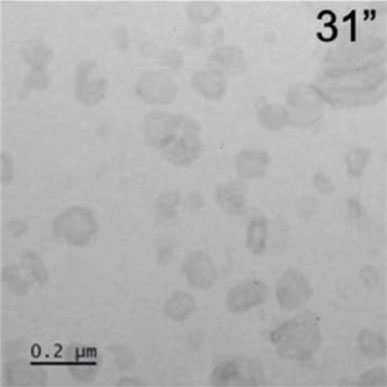
A 55-second video of flufenamic acid crystal growth at a scale of 0.5 micrometers. This video is remarkable as it shows the entire process of crystal nucleation, from a blank screen through nucleation to crystals. A good region to examine is the central point just above the 0.5 μm scale. A crystal forms here and grows without getting cluttered by other crystals.

Techniques and Methods

The Ocean LPEM system’s unique ability to perform transmission electron microscopy in a liquid ethanol environment was essential for this research. Dr Cookman adds that by “using the DENSsolutions Ocean holder we were able to introduce an undersaturated liquid solution of the API to be visualised in the TEM protected from the high vacuum environment of the TEM.” Then crystal growth was induced by illuminating the sample with an electron beam which provided the energy needed to prompt the nucleation process.

In situ microscopy far exceeds previous ex situ observations as the team could produce live footage of each stage of crystal growth. Additionally, the in situ technique enabled the visualisation of the nucleation of flufenamic acid molecules in a working environment, a.k.a. ethanol. Performing this analysis in a liquid environment as opposed to a vacuum helped to meaningfully ascertain where and how different physical arrangements of crystal structures occur.

“This work brings focus to the use of electron microscopy and in particular in situ TEM equipment for characterisation,” added Dr Cookman. “That can be of utmost importance to the pharmaceutical industry and also in interim characterisation in pharmaceutical crystal research.”

Micrographs showing crystals forming from flufenamic acid and growing into hexagonal crystals. A 0.2-micrometer scale is used for reference.

Wider Importance

It is at this earliest stage of growth that molecules can exhibit polymorphism; crystal structures that are composed of the same molecules but have different physical arrangements. Understanding how different crystal structures form from the same molecule type is desirable for research that needs nanoscale precision. For example, crystals are commonly used in medicines as a way to deliver active chemicals.

The antiretroviral drug, Ritonavir, which is used to treat HIV/AIDS, was pulled from circulation after it was found to contain a polymorphed version of the active drug. The polymorphed form was less biologically active and did not work as intended. Understanding these early steps in crystal growth is key to fine-tuning processes such as drug delivery.

Future Research

Advances in film technology and TEM allowed for direct observation of the nucleation process and this research represents the potential progress in the field of crystallisation. The results indicate that, with more research, scientists can discern the initial phases of crystal growth. This new technique opens up the field of TEM to visualising other crystallisation pathways, interrogate nucleation mechanisms, and explore new innovations.

The research was part of an EU Horizon 2020 FET-Open project named MagnaPharm which focuses on the magnetic control of polymorphism in pharmaceutical compounds. The team, which includes Dr Ursel Bangert and Dr Simon Hall, intend to continue to characterise flufenamic acid and different growth outcomes under different concentrations.

Learn more about our latest LPEM system ‘Stream’:

Discover more publications made possible by our Ocean system:

Read the original article:

Do you want to receive great articles like this in your mailbox? Subscribe to our newsletter.